

Whenever you’re a first-time homebuyer, there’s already loads to determine – like utilizing a house affordability calculator, setting a finances, and understanding your month-to-month prices. When you lastly transfer in, it’s tempting to leap straight into design upgrades and dream renovations. However figuring out easy methods to prioritize house renovations can prevent cash, cut back stress, and allow you to make smarter long-term choices. The aim isn’t to do the whole lot directly; it’s to deal with what issues most, in the fitting order.
Whether or not you’re shopping for a house in Tucson, AZ, or buying a townhouse in Denver, CO, this information will allow you to lower via the noise and deal with what actually issues. Irrespective of the market or property kind, the fitting renovation priorities will help you defend your funding, enhance your day-to-day residing, and make assured choices from the beginning.
1. Set a finances and plan your timeline
Earlier than beginning any renovations, set a practical finances and anticipate the sudden. It’s good to order an additional 1-4% for shock repairs, particularly in older properties the place hidden points can floor shortly.
To remain organized, prioritize tasks in three tiers: pressing (security or damage-related), mandatory (performance and every day residing), and non-obligatory (beauty upgrades). A house inspection report will help information these choices and stop expensive missteps.
It’s additionally vital to tempo your self. Whereas smaller updates will be achieved shortly, bigger renovations take time and planning. Residing in your house for a number of months earlier than tackling main tasks will help you higher perceive what adjustments matter most. Taking a phased strategy means that you can handle prices, cut back stress, and make smarter long-term choices.
2. Begin with what protects your own home
An important renovations are those you’ll be able to’t at all times see. Earlier than tackling beauty upgrades, deal with core methods and structural integrity. Which means evaluating your roof, basis, plumbing, electrical, and HVAC. If any of those want consideration, they need to come first. These tasks defend your own home’s worth and stop dearer points down the road, making it the very best place to begin.
There’s a distinction between bettering your own home and fixing what’s damaged. Repairs like leaks, defective wiring, or broken flooring ought to at all times take precedence over aesthetic adjustments.
“For first-time homeowners, the smartest approach is to prioritize function before finishes,” the group at KC’s Enchancment & Development Co., Inc., recommends. “Focus first on anything that affects safety, structure, or daily livability. Things like roofing, plumbing, electrical, or moisture issues, before jumping into cosmetic upgrades. Once the home is stable, invest in improvements that enhance how you live in the space, such as kitchen or bathroom updates, while keeping long-term value in mind. The biggest mistake we see is homeowners rushing into aesthetic changes without a clear plan, which often leads to rework and unnecessary costs. A thoughtful, phased approach always delivers better results and a better experience.”
3. Go for high-impact, budget-friendly updates
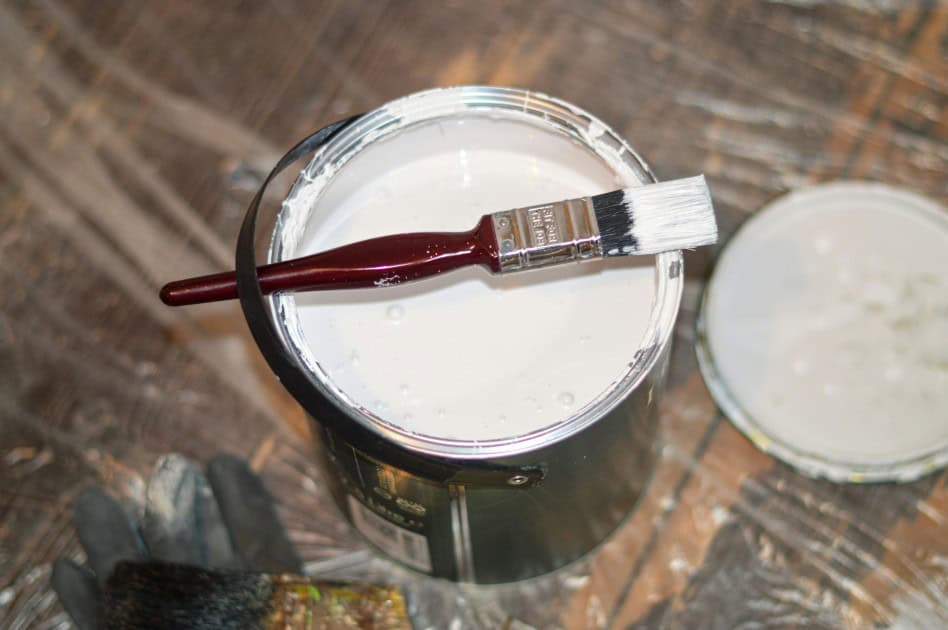
Not all renovations require a significant funding. A number of the only upgrades are additionally probably the most reasonably priced. Upgrades like contemporary paint, up to date fixtures, new cupboard {hardware}, and improved lighting can dramatically rework an area.
“If you’re a first-time homeowner, start with a high-impact project that builds confidence in ‘doing it yourself’ (DIY) without creating overwhelm,” the group at Liquid Rubber explains. “A great example is doing a deck refresh. Many homeowners default to deck painting for this, but using a weather-proof deck sealant or coating instead gives you a flexible surface resistant to water and sun damage. This allows your deck refresh project to last much longer than any deck paint. In fact, high-quality coatings can be up to 10x stronger than traditional deck paint and help you avoid redoing the job every year. Choosing longer-lasting solutions like this is an easy way to make your to-do list a little shorter each year.”
4. Contemplate long-term worth
If resale worth is in your thoughts, prioritize renovations recognized for sturdy return on funding. Kitchens, bogs, energy-efficient upgrades, and curb enchantment enhancements have a tendency to supply the very best returns. That mentioned, your private consolation nonetheless issues. A renovation that improves your high quality of life will be simply as beneficial as one that reinforces resale value.
Widespread high-ROI upgrades embrace:
Minor kitchen rework, resembling cupboard refacing, new counter tops, up to date home equipment
Rest room updates resembling new fixtures, vanities, or tile
Vitality-efficient enhancements resembling home windows, insulation, and good thermostats
Recent inside and exterior paint
Landscaping and curb enchantment enhancements
Changing or upgrading storage doorways and entry doorways
Including usable residing house, resembling completed basements or attics
5. Plan massive tasks in phases
Larger renovations, like a full kitchen rework or including sq. footage, don’t have to occur instantly. As a substitute, it’s higher to interrupt them into phases primarily based on urgency and finances.
For instance, you would possibly begin by updating home equipment and finishes earlier than committing to a full renovation later. Phasing tasks helps you keep financially versatile and keep away from overwhelm. It additionally offers you time to stay within the house and higher perceive what adjustments will really make the largest influence.
The place to begin, and what can wait
Realizing easy methods to prioritize house renovations comes right down to a easy order: defend your own home, repair what’s damaged, enhance how you reside, after which improve aesthetics. By taking a considerate, step-by-step strategy, you may make regular progress with out overspending or taking over an excessive amount of directly.

